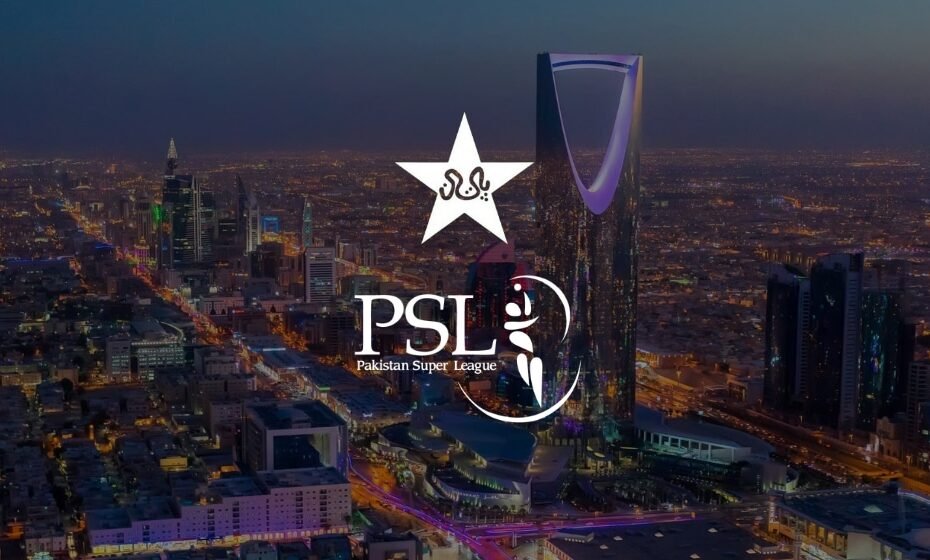
A new cricket stadium in Saudi Arabia is being contemplated by the Pakistan Cricket Board (PCB) as a potential venue for Pakistan Super League (PSL) matches in Jeddah. The PCB has reportedly obtained initial clearance from its governing body for the project, but further deliberations and a definitive agreement are still pending. This move is part of the board’s broader strategy to expand the sport beyond Pakistan, particularly in Saudi Arabia, where cricket’s popularity has been growing steadily over the past few years. According to sources, the board has given its consent for an expression of interest to collaborate with the Saudi Arabia Cricket Federation (SACF) on the development of a new stadium in Jeddah. The matter was reportedly discussed during a recent board meeting in Lahore. If the plan materializes, the venue could eventually host PSL matches, providing the tournament with a new base in the Middle East, beyond the UAE, which has previously successfully hosted games. PCB Chairman Mohsin Naqvi had visited Saudi Arabia in December 2024, where he met with Prince Saud bin Mishal Al-Saud. During that visit, both parties reportedly explored the possibility of constructing a new cricket venue and ways to promote the sport in the Kingdom. Saudi Arabia’s cricket infrastructure has become more organized in recent years, particularly after the establishment of the SACF in 2020. For now, the proposal remains at an early stage, with formal approvals and additional details still to be finalized.
Related posts:
Lahore Qalandars Outmaneuver Quetta Gladiators in Thrilling PSL 11 Showdown
Peshawar Zalmi Secure Crucial Win Over Hyderabad Kingsmen in PSL 11 Thriller
Fakhar Zaman Breaks New Ground in PSL
PCB Imposes One-Year Ban on International Cricketer for Contractual Infraction
Peshawar Zalmi Secure Top-Four Finish in PSL 11
Gillespie Urges Team to Step Up After PSL Disappointment
Skardu.pk is one of the leading authentic news and information platform focusing on adventure tourism, regional and world affairs.
- Editorial Team
- Editorial Team
- Editorial Team
- Editorial Team
- Editorial Team
- Editorial Team
- Editorial Team
- Editorial Team
- Editorial Team
- Editorial Team
- Editorial Team
- Editorial Team
- Editorial Team
- Editorial Team
- Editorial Team
- Editorial Team
- Editorial Team
- Editorial Team
- Editorial Team
- Editorial Team
- Editorial Team
- Editorial Team
- Editorial Team
- Editorial Team
- Editorial Team
- Editorial Team
- Editorial Team
- Editorial Team
- Editorial Team
- Editorial Team
- Editorial Team
- Editorial Team
- Editorial Team
- Editorial Team
- Editorial Team
- Editorial Team
- Editorial Team
- Editorial Team
- Editorial Team
- Editorial Team
- Editorial Team
- Editorial Team
- Editorial Team
- Editorial Team
- Editorial Team
- Editorial Team
- Editorial Team
- Editorial Team
- Editorial Team
- Editorial Team
- Editorial Team
- Editorial Team
- Editorial Team
- Editorial Team
- Editorial Team
- Editorial Team
- Editorial Team
- Editorial Team
- Editorial Team
- Editorial Team
- Editorial Team
- Editorial Team
- Editorial Team
- Editorial Team
- Editorial Team
- Editorial Team
- Editorial Team
- Editorial Team
- Editorial Team
- Editorial Team
- Editorial Team
- Editorial Team
- Editorial Team
- Editorial Team
- Editorial Team
- Editorial Team
- Editorial Team
- Editorial Team
- Editorial Team
- Editorial Team
- Editorial Team
- Editorial Team
- Editorial Team
- Editorial Team
- Editorial Team
- Editorial Team
- Editorial Team
- Editorial Team
- Editorial Team
- Editorial Team
- Editorial Team
- Editorial Team
- Editorial Team
- Editorial Team
- Editorial Team
- Editorial Team
- Editorial Team
- Editorial Team
- Editorial Team
- Editorial Team
- Editorial Team
- Editorial Team
- Editorial Team
- Editorial Team
- Editorial Team
- Editorial Team
- Editorial Team
- Editorial Team
- Editorial Team
- Editorial Team
- Editorial Team
- Editorial Team
- Editorial Team
- Editorial Team
- Editorial Team
- Editorial Team
- Editorial Team