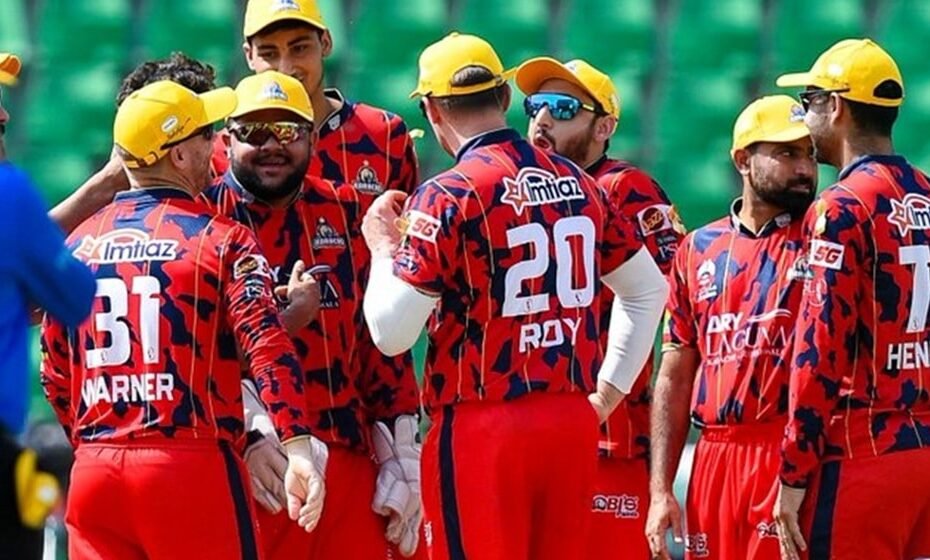
In a candid response to an Indian fan who suggested he should abandon the Pakistan Super League (PSL) for the Indian Premier League (IPL) in 2026, Karachi Kings captain David Warner stood firm in his commitment to the PSL. The fan’s comment came after Karachi Kings were knocked out of the PSL 11 playoff contention following Lahore Qalandars’ victory over Peshawar Zalmi in the 38th match. Warner took to Instagram to reflect on Karachi Kings’ campaign, praising the team’s effort and resilience throughout the season. Despite the underwhelming finish, he highlighted the players’ passion, attitude, and ability to cope with the pressure and demands of franchise cricket. Warner expressed gratitude to the fans for their unwavering support and acknowledged the PSL organizers, security personnel, and police for their hospitality and efforts in ensuring safety and managing crowd-related challenges. In a lighter vein, he suggested incorporating recreational activities like padel or golf into future PSL editions and expressed hope for returning to packed stadiums in the coming seasons. However, the post gained attention after an Indian fan suggested that Warner should return to the IPL. Warner shot down the suggestion with a brief but clear response: “No need for that now.” This is the fourth time Karachi Kings have failed to qualify for the PSL playoffs since the league’s inception in 2016, with the franchise also missing the top four in three consecutive seasons from 2022 to 2024.
Related posts:
PSL 11 Power Rankings: Week 4 Unfolds High-Scoring Thrills and Dominant Spells
Rizwan's Captaincy Struggles Continue as He Hits Sixth Duck
Karachi Kings Secure Crucial Victory to Keep PSL 11 Hopes Alive
Two-Year Ban Imposed on Zimbabwean Pacer in PSL
PSL 11 Playoff Fate Hangs in the Balance
PSL 11 Franchises to Receive Enhanced Prize Money
Skardu.pk is one of the leading authentic news and information platform focusing on adventure tourism, regional and world affairs.
- Editorial Team
- Editorial Team
- Editorial Team
- Editorial Team
- Editorial Team
- Editorial Team
- Editorial Team
- Editorial Team
- Editorial Team
- Editorial Team
- Editorial Team
- Editorial Team
- Editorial Team
- Editorial Team
- Editorial Team
- Editorial Team
- Editorial Team
- Editorial Team
- Editorial Team
- Editorial Team
- Editorial Team
- Editorial Team
- Editorial Team
- Editorial Team
- Editorial Team
- Editorial Team
- Editorial Team
- Editorial Team
- Editorial Team
- Editorial Team
- Editorial Team
- Editorial Team
- Editorial Team
- Editorial Team
- Editorial Team
- Editorial Team
- Editorial Team
- Editorial Team
- Editorial Team
- Editorial Team
- Editorial Team
- Editorial Team
- Editorial Team
- Editorial Team
- Editorial Team
- Editorial Team
- Editorial Team
- Editorial Team
- Editorial Team
- Editorial Team
- Editorial Team
- Editorial Team
- Editorial Team
- Editorial Team
- Editorial Team
- Editorial Team
- Editorial Team
- Editorial Team
- Editorial Team
- Editorial Team
- Editorial Team
- Editorial Team
- Editorial Team
- Editorial Team
- Editorial Team
- Editorial Team
- Editorial Team
- Editorial Team
- Editorial Team
- Editorial Team
- Editorial Team
- Editorial Team
- Editorial Team
- Editorial Team
- Editorial Team
- Editorial Team
- Editorial Team
- Editorial Team
- Editorial Team
- Editorial Team
- Editorial Team
- Editorial Team
- Editorial Team
- Editorial Team
- Editorial Team
- Editorial Team
- Editorial Team
- Editorial Team
- Editorial Team
- Editorial Team
- Editorial Team
- Editorial Team
- Editorial Team
- Editorial Team
- Editorial Team
- Editorial Team
- Editorial Team
- Editorial Team
- Editorial Team
- Editorial Team
- Editorial Team
- Editorial Team
- Editorial Team
- Editorial Team
- Editorial Team
- Editorial Team
- Editorial Team
- Editorial Team
- Editorial Team
- Editorial Team
- Editorial Team
- Editorial Team
- Editorial Team
- Editorial Team
- Editorial Team
- Editorial Team
- Editorial Team