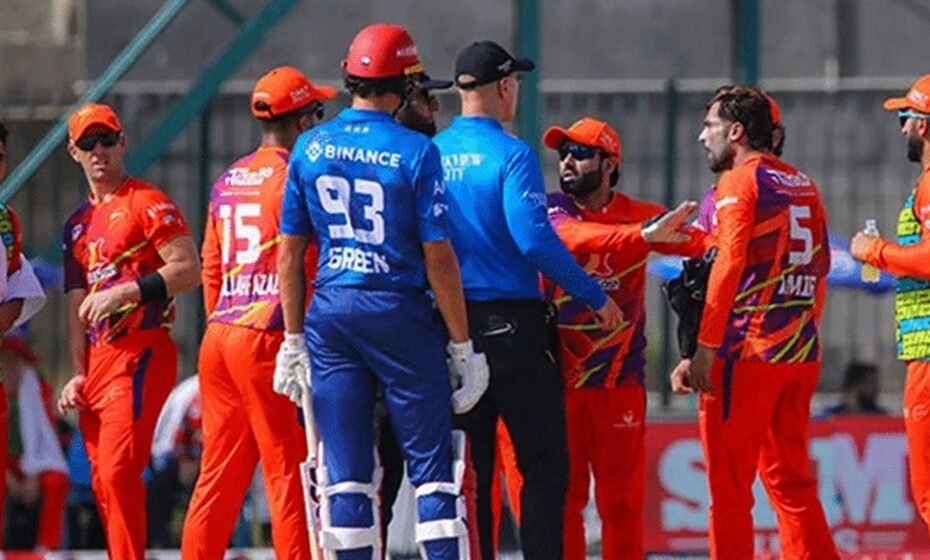
A heated on-field exchange during the 2026 Pakistan Super League (PSL 11) match between RawalPindiz and Islamabad United at the National Bank Stadium has resulted in Mohammad Amir and Faheem Ashraf being penalized. The RawalPindiz fast bowler and Islamabad United all-rounder were each docked 10 percent of their match fee for violating Level 1 offenses under the PSL Code of Conduct. The charges against Amir centered around Article 2.5, which pertains to the use of language or actions that could provoke a batter upon dismissal, while Faheem was accused under Article 2.21, which addresses bringing the game into disrepute. Both players accepted the charges levied by on-field umpires Alex Wharf and Faisal Khan Aafreedi and the sanctions imposed by match referee Sir Richard Richardson. The incident unfolded on the third delivery of the 17th over when Amir bowled a slower bouncer, which Faheem attempted to upper cut but ended up edging to wicketkeeper Mohammad Rizwan. Following the dismissal, Amir made an animated gesture towards Faheem, prompting the latter to react angrily and walk towards the bowler with his bat raised. The situation was temporarily defused by Asif Afridi and Saad Masood, who intervened to separate the players. RawalPindiz, meanwhile, continue to struggle in the tournament, sitting at the bottom of the table with a single win and eight losses from nine matches. They have accumulated two points and a net run rate of -1.330, and will face Hyderabad Kingsmen in their final league-stage fixture on April 26.
Related posts:
Lahore Qalandars' Title Defense Hopes Dented by Karachi Kings' Thrilling PSL 11 Win
Emerging Star Sees PSL as Crucial Platform for Aspiring Talent
Raza Fires Back at Wasim's Franchise Cricket Comment
Fakhar Zaman Breaks New Ground in PSL
Babar Azam Sets New Benchmark in PSL 11 with Record-Breaking T20 Milestone
Emerging PSL Talent Needs Maturity Before National Team Opportunities
Skardu.pk is one of the leading authentic news and information platform focusing on adventure tourism, regional and world affairs.
- Editorial Team
- Editorial Team
- Editorial Team
- Editorial Team
- Editorial Team
- Editorial Team
- Editorial Team
- Editorial Team
- Editorial Team
- Editorial Team
- Editorial Team
- Editorial Team
- Editorial Team
- Editorial Team
- Editorial Team
- Editorial Team
- Editorial Team
- Editorial Team
- Editorial Team
- Editorial Team
- Editorial Team
- Editorial Team
- Editorial Team
- Editorial Team
- Editorial Team
- Editorial Team
- Editorial Team
- Editorial Team
- Editorial Team
- Editorial Team
- Editorial Team
- Editorial Team
- Editorial Team
- Editorial Team
- Editorial Team
- Editorial Team
- Editorial Team
- Editorial Team
- Editorial Team
- Editorial Team
- Editorial Team
- Editorial Team
- Editorial Team
- Editorial Team
- Editorial Team
- Editorial Team
- Editorial Team
- Editorial Team
- Editorial Team
- Editorial Team
- Editorial Team
- Editorial Team
- Editorial Team
- Editorial Team
- Editorial Team
- Editorial Team
- Editorial Team
- Editorial Team
- Editorial Team
- Editorial Team
- Editorial Team
- Editorial Team
- Editorial Team
- Editorial Team
- Editorial Team
- Editorial Team
- Editorial Team
- Editorial Team
- Editorial Team
- Editorial Team
- Editorial Team
- Editorial Team
- Editorial Team
- Editorial Team
- Editorial Team
- Editorial Team
- Editorial Team
- Editorial Team
- Editorial Team
- Editorial Team
- Editorial Team
- Editorial Team
- Editorial Team
- Editorial Team
- Editorial Team
- Editorial Team
- Editorial Team
- Editorial Team
- Editorial Team
- Editorial Team
- Editorial Team
- Editorial Team
- Editorial Team
- Editorial Team
- Editorial Team
- Editorial Team
- Editorial Team
- Editorial Team
- Editorial Team
- Editorial Team
- Editorial Team
- Editorial Team
- Editorial Team
- Editorial Team
- Editorial Team
- Editorial Team
- Editorial Team
- Editorial Team
- Editorial Team
- Editorial Team
- Editorial Team
- Editorial Team
- Editorial Team
- Editorial Team
- Editorial Team
- Editorial Team
- Editorial Team