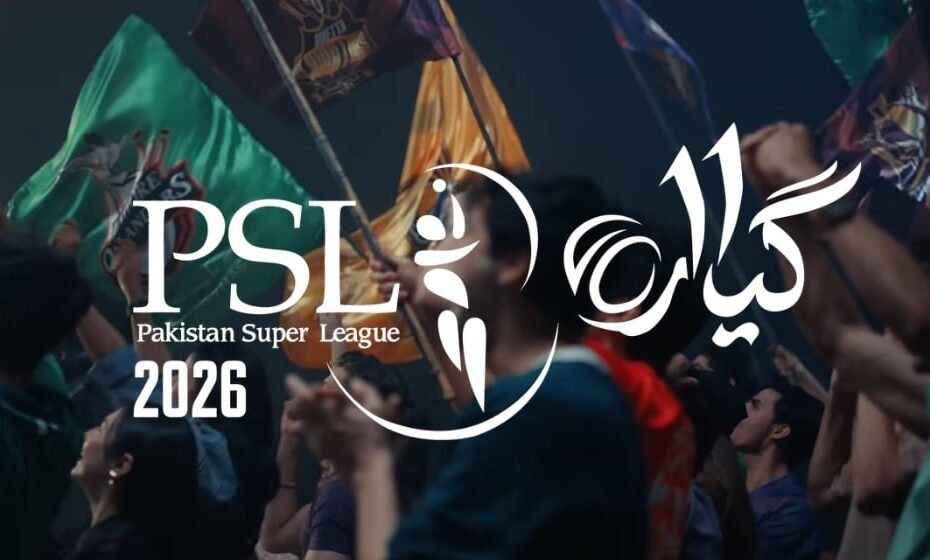
Pakistan Cricket Board (PCB) Chairman Mohsin Naqvi has confirmed that the 2026 Pakistan Super League (PSL 11) final will be played in front of a packed crowd at Gaddafi Stadium in Lahore on May 3. Naqvi made the announcement on social media, revealing that he had successfully lobbied Prime Minister Shehbaz Sharif to grant permission for spectators to attend the final, despite ongoing austerity measures aimed at reducing fuel consumption and addressing the country’s economic situation. According to Naqvi, the premier was supportive of the idea but emphasized that austerity measures remain in place nationwide. The PCB Chairman attributed the breakthrough to a joint effort with franchise owners, who had been pushing for spectators to be allowed into stadiums for major matches. Initially, the PCB had decided to play PSL 11 matches behind closed doors as part of broader austerity measures linked to the fuel crisis and regional economic pressures. The decision had also restricted the tournament to Karachi and Lahore in an effort to minimize travel, public movement, and operational costs. Franchise owners had expressed concerns over the policy, highlighting the importance of fan presence in the PSL experience. Naqvi praised law enforcement agencies for their role in ensuring the smooth conduct of the tournament, despite the challenges. He assured that the match schedule would remain unchanged, with franchises set to receive gate revenue and the PCB bearing related expenses.
Related posts:
Multan Sultans Secure Playoff Berth in PSL 11 with Thrilling Win Over RawalPindiz
Islamabad United Deliver Crushing Blow to Lahore Qalandars in PSL 11 Thrashing
RawalPindiz Make Strategic Roster Adjustment Ahead of PSL 11 Showdown
Mustafizur Rahman's PSL 11 Campaign Cut Short
PSL 11 Dispute: Mohammad Amir and Faheem Ashraf Face Monetary Consequences
Pakistani Fast-Bowling Heritage Continues to Thrive, Says West Indies Legend
Skardu.pk is one of the leading authentic news and information platform focusing on adventure tourism, regional and world affairs.
- Editorial Team
- Editorial Team
- Editorial Team
- Editorial Team
- Editorial Team
- Editorial Team
- Editorial Team
- Editorial Team
- Editorial Team
- Editorial Team
- Editorial Team
- Editorial Team
- Editorial Team
- Editorial Team
- Editorial Team
- Editorial Team
- Editorial Team
- Editorial Team
- Editorial Team
- Editorial Team
- Editorial Team
- Editorial Team
- Editorial Team
- Editorial Team
- Editorial Team
- Editorial Team
- Editorial Team
- Editorial Team
- Editorial Team
- Editorial Team
- Editorial Team
- Editorial Team
- Editorial Team
- Editorial Team
- Editorial Team
- Editorial Team
- Editorial Team
- Editorial Team
- Editorial Team
- Editorial Team
- Editorial Team
- Editorial Team
- Editorial Team
- Editorial Team
- Editorial Team
- Editorial Team
- Editorial Team
- Editorial Team
- Editorial Team
- Editorial Team
- Editorial Team
- Editorial Team
- Editorial Team
- Editorial Team
- Editorial Team
- Editorial Team
- Editorial Team
- Editorial Team
- Editorial Team
- Editorial Team
- Editorial Team
- Editorial Team
- Editorial Team
- Editorial Team
- Editorial Team
- Editorial Team
- Editorial Team
- Editorial Team
- Editorial Team
- Editorial Team
- Editorial Team
- Editorial Team
- Editorial Team
- Editorial Team
- Editorial Team
- Editorial Team
- Editorial Team
- Editorial Team
- Editorial Team
- Editorial Team
- Editorial Team
- Editorial Team
- Editorial Team
- Editorial Team
- Editorial Team
- Editorial Team
- Editorial Team
- Editorial Team
- Editorial Team
- Editorial Team
- Editorial Team
- Editorial Team
- Editorial Team
- Editorial Team
- Editorial Team
- Editorial Team
- Editorial Team
- Editorial Team
- Editorial Team
- Editorial Team
- Editorial Team
- Editorial Team
- Editorial Team
- Editorial Team
- Editorial Team
- Editorial Team
- Editorial Team
- Editorial Team
- Editorial Team
- Editorial Team
- Editorial Team
- Editorial Team
- Editorial Team
- Editorial Team
- Editorial Team
- Editorial Team
- Editorial Team